
Hiring a cleaner once solves one mess. Setting up recurring service solves the bigger problem of keeping a home clean month after month without having to think about it. When a professional comes on a regular schedule, the work stays manageable for them and the results stay consistent for you, which is why so many companies now push weekly and biweekly plans over one-time bookings.
The word “subscription” often gets used loosely in this industry, though, and it can mean very different things depending on the company. The services in this ‘Best Home Cleaning Subscription and Recurring Services’ roundup fall into a few distinct categories.
- Paid memberships that charge a monthly or annual fee in exchange for discounted cleaning rates
- Recurring cleaning with standing weekly, biweekly, or monthly appointments, usually priced below one-time visits
- Booking platforms that make it easy to schedule repeat service whenever you want it, with no long-term contract
- Traditional cleaning companies that send a regular team to your home on a set schedule
Which model suits you best depends on how often you actually want someone cleaning, whether you’d rather pick your own cleaner or be matched with one, how much commitment you’re willing to sign up for, and whether the service even operates where you live.
What to Look for in a Home Cleaning Subscription Service

Many of these services look nearly identical at first glance, and the real differences only show up in the details. Pricing models, cancellation rules, and scheduling policies vary widely between companies with similar marketing. These are the factors worth comparing before you commit to any of them.
Coverage and Availability
Coverage should be your first filter, because the best service is useless if it doesn’t operate in your area. Large booking platforms cover hundreds of cities across the United States, and sometimes Canada and the United Kingdom, while traditional companies can be strong in one metro area and absent from the next. Rural areas are the hardest to serve either way, so verify coverage by ZIP code before comparing anything else.
Pricing Structure
Recurring cleaning services charge in several ways, and the advertised number isn’t always the entire story. Some run on a membership model, where a monthly or annual fee gives you lower per-cleaning rates, while others simply charge for each visit, flat or hourly. Many platforms reward frequency, so weekly bookings cost less per visit than monthly ones, and larger homes or specialized jobs may require customized pricing.
Commitment Terms
Some plans require a minimum period of service, sometimes three or six months, before you can leave without penalty, while others charge early-cancellation fees or renew automatically. The most flexible companies let you cancel anytime at no cost.
Scheduling Flexibility
A recurring cleaning service only saves time if it fits around your life. Most services offer weekly, biweekly, and monthly appointments, and the better ones also allow one-time bookings. Check the practical policies too, like how easy it is to reschedule, pause during a vacation, or skip a cleaning without being charged. Some platforms can send a cleaner the next day while others want several days of notice, and if you work standard hours, make sure evening and weekend appointments are available.
Cleaner Selection and Consistency
On marketplace-style platforms, you can choose an individual cleaner yourself after browsing profiles, ratings, and reviews. Other services match you automatically, though many let you request the same cleaner again once you find someone you like, with backups available for conflicts. Traditional companies usually assign a standing team of two or more people who get to know your home over time.
Cleaning Scope
Most recurring plans cover routine upkeep, meaning dusting, vacuuming, mopping, sanitizing bathrooms, wiping kitchen counters and appliance exteriors, and emptying the trash. What isn’t included matters just as much. Jobs like carpet shampooing, post-construction cleanup, inside appliances, laundry, and interior windows usually cost extra or require a different service altogether.
Comparing Cleaning Subscriptions and Recurring Services
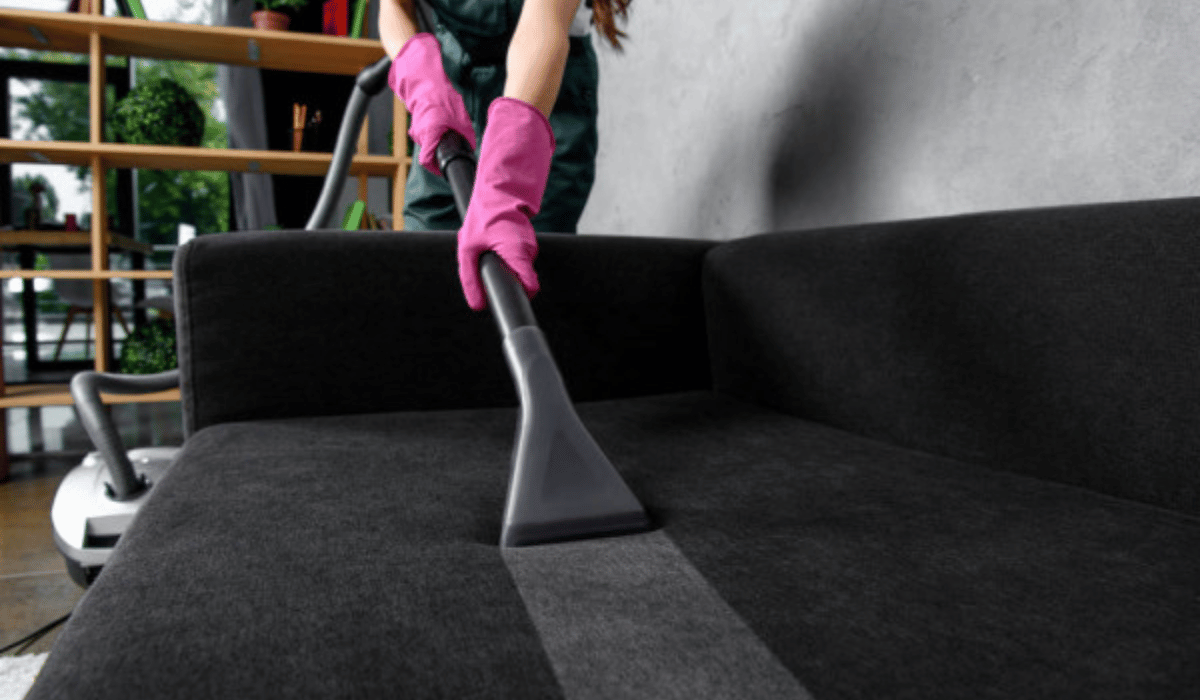
Choosing a cleaning subscription or recurring service can make keeping your home clean much easier. Before signing up, take a look at some of the most popular services and platforms so you can make the right decision for yourself and your home.
| Service | Service Model | Pricing Approach | Commitment | Best For |
| Homeaglow ForeverClean | Cleaner marketplace with paid membership | $59/month membership and discounted cleaning rates; introductory first-clean offers may be available | 6 paid months; early cancellation fee based on the undiscounted value of the first-clean discount | Frequent cleaners who want to choose their cleaner |
| Handy | Online home-services platform | Pay per booking; optional membership $10/month or about $99/year for up to 20% off | Recurring cleaning plans may require 3, 6, or 12 month commitments; $99 early cancellation fee may apply | App-based scheduling and broad service coverage |
| TIDY | Online cleaning-booking platform | Pay per cleaning | No subscription or contract | Recurring cleaning without a membership |
| The Maids | Traditional team-based cleaning company | Customized local quote | Varies by local office | Customers who prefer a consistent cleaning team |
| Care.com | Caregiver and housekeeper service marketplace | Membership fee of between $12.99 and $38.99 per month for access to service providers; payment arranged directly with cleaners | Typically no commitment; set by user and provider | Households wanting flexibility to find and hire individual housekeepers |
Homeaglow ForeverClean
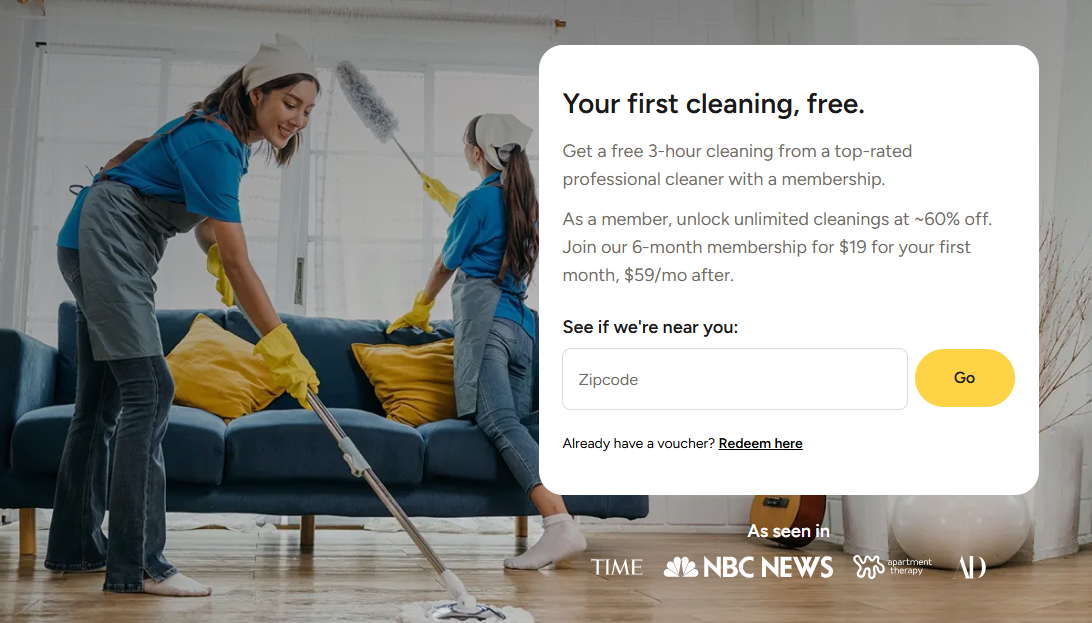
Homeaglow takes a marketplace approach to home cleaning. Instead of being assigned whoever is available, customers browse profiles of independent cleaners in their area, compare reviews and rates side by side, and decide for themselves who to invite into their home. That level of choice is unusual in this category, and it changes the whole experience of hiring a cleaner.
How Homeaglow Works
You enter your location and describe what you need cleaned, then browse the cleaners who serve your area. Each profile shows the cleaner’s hourly rate, customer reviews, and experience, so you can weigh cost against track record before booking.
Appointments are scheduled and managed entirely online, and when you find a cleaner you like, you can keep booking that same person for future visits whenever their calendar allows.
A standard appointment covers routine household tasks such as dusting, vacuuming, mopping, bathrooms, and kitchen surfaces, with the exact priorities up to you and the hours you book.
ForeverClean Membership
ForeverClean is Homeaglow’s subscription offering, and it’s the piece that rewards regular use. At the time of review, ForeverClean costs $59 per month and gives members access to discounted cleaning rates, with advertised rates starting as low as $19 per hour.
For a household planning several cleanings over the coming months, the savings on each visit can outweigh the membership cost fairly quickly. At the time of review, membership requires the subscriber to pay for 6 months. If the plan is canceled before that term is up, a termination fee will be assessed, usually at the price of the undiscounted value of your first cleaning. Always read the enrollment terms before signing up.
Potential Drawbacks
No model fits everyone, and Homeaglow’s has a few limitations worth knowing upfront.
- The membership commitment makes little sense for someone who only needs one or two cleanings
- Cleaner availability and consistency vary by location, especially in smaller markets
- You’ll need to review profiles and pick a cleaner yourself rather than receiving a company-assigned team
- Extra tasks require booking additional time
None of these are dealbreakers for the platform’s core audience – someone who wants regular cleaning at a lower price, but they matter if your needs are occasional rather than ongoing.
Who Homeaglow Is Best For
Homeaglow is a strong fit for someone who wants to choose a specific cleaner rather than accept a match, expects to book regularly enough to benefit from member rates, is comfortable with a membership commitment, and values discounted ongoing services.
Handy
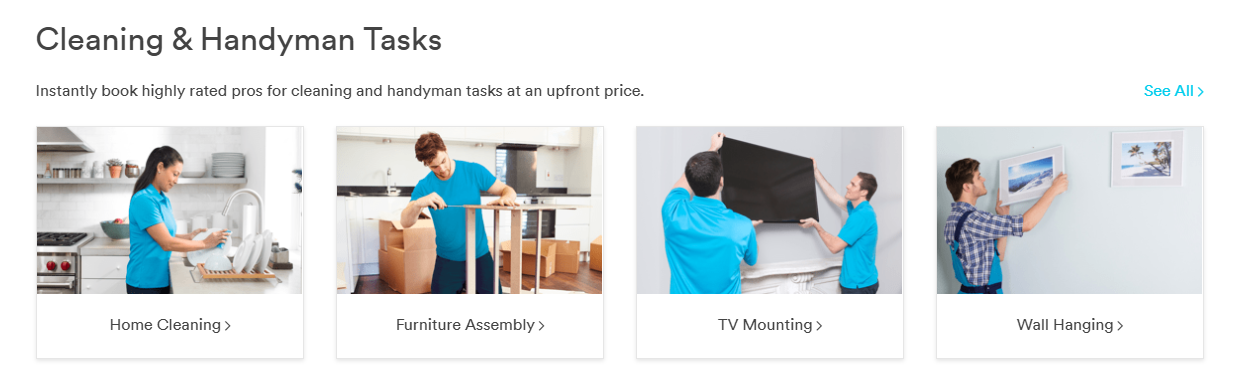
Handy, now powered by Angi, is one of the most established names in on-demand home services. Rather than a cleaning-only marketplace, it’s a broad platform that connects customers with vetted professionals for cleaning, plumbing, electrical work, furniture assembly, and more, all managed through one polished app.
How Handy Works
You enter your ZIP code, your home’s size, and a preferred appointment time, and Handy matches you with a background-checked professional rated by previous customers. Booking, payment, tipping, and special instructions are all handled through the app or website, and in some markets you can get a cleaner as soon as the next day.
The platform operates in many cities across the United States, Canada, and the United Kingdom, which makes it one of the most widely available options in this roundup.
Standard Cleaning and Add-Ons
A standard Handy cleaning covers the routine work most homes need. That generally includes the following.
- Dusting bedrooms and living areas, plus mirrors and glass
- Vacuuming, mopping, and trash removal
- Sanitizing bathrooms
- Wiping appliance exteriors, cleaning kitchen floors, and loading the dishwasher
For a deeper visit, common add-ons include interior cabinets, refrigerator and oven cleaning, laundry, and interior windows, with each extra typically adding time and cost to the appointment.
Recurring Plans and Membership Options
Handy encourages repeat business by offering Handy Select, a separate paid membership that may provide discounts of up to 20% per cleaning and other booking benefits. The price is $10 per month or $99 per year. Always review the plans and terms before enrolling.
Rescheduling can be done through the platform, you can request the same cleaner for future visits, and the Pro Team feature lets you build a preferred group of professionals so a familiar face shows up even when your regular cleaner is busy.
Potential Drawbacks
Handy does a lot of things, but that comes with a few trade-offs that some customers might notice.
- You’re matched with a professional rather than browsing a full marketplace of cleaner profiles
- Cleaner availability varies by market and time
- The everything-in-one-app model can feel less specialized than a cleaning-focused platform
For customers who prioritize picking their own cleaner, the matching model in particular is worth weighing.
Who Handy Is Best For
Handy suits customers who want a smooth app experience, coverage in smaller or less-served areas where other platforms may not operate, and the convenience of cleaning and other home services under one account. If you don’t mind being matched rather than choosing from profiles, it’s a good option.
TIDY
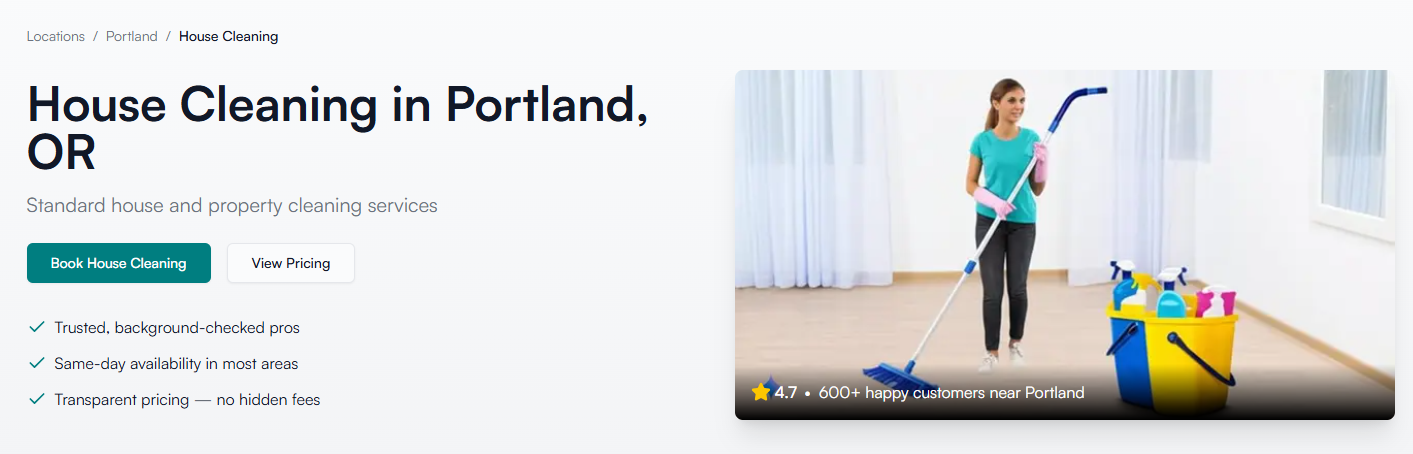
TIDY takes a different approach from the membership platforms. It’s an online booking service for one-time or recurring home cleanings with no subscription fee attached, aimed at customers who want repeat service without signing up for anything beyond the next appointment. Although TIDY is not a traditional subscription service, it is included because its online booking platform offers a similar experience to membership-based cleaning services.
How TIDY Works
Everything runs through the platform’s online tools. You schedule service on the website, choosing either a single appointment or a repeating one, and manage your cleaning preferences and priorities digitally so each visit follows your instructions. The emphasis throughout is on flexible scheduling rather than locking customers into a plan.
Pricing and Commitment
The main distinction here is simple. You pay per cleaning, there is no separate subscription fee, and there is no long-term membership commitment. Appointments can be canceled or adjusted under TIDY’s current policies, which makes it one of the lowest-commitment options in this roundup. Local pricing, cancellation windows, and availability still vary, so check the details for your area before booking your first appointment.
Potential Drawbacks
The freedom of not having to pay for a membership comes at a price, and it’s worth being honest about what you give up.
- Per-cleaning rates may run higher than the heavily discounted rates members pay elsewhere
- Availability varies by location
- You may not get the same cleaner every visit
If you book professional cleaning frequently enough, a membership may become more economical than paying separately for every visit.
Who TIDY Is Best For
TIDY works best for someone who wants spaced-out service without a membership, values the ability to cancel without strict limitations, isn’t sure how long they’ll need service, and prefers an online platform to a traditional franchise.
Care.com
Care.com is the largest caregiver marketplace in the country, and housekeeping is one of several services on the platform alongside child care, senior care, and pet care.
Unlike a managed booking service, Care.com works more like a hiring site. You post a job or browse housekeeper profiles, interview candidates yourself, agree on a rate directly, and manage the working relationship on your own terms.
Pricing and Membership
The premium membership currently costs about $38.99 for a single month, with the rate dropping to roughly $25.99 per month on a three-month plan and about $12.99 per month when you pay $156 for a full year. The housekeeper’s rate is separate and negotiated directly, with housekeeping on the platform averaging around $19 per hour, though rates vary widely by market and experience. There’s no minimum term beyond the billing period you choose, but the subscription renews automatically, and the company has drawn regulatory scrutiny over its cancellation practices in the past, so note the cancellation steps when you sign up.
Potential Drawbacks
This model trades convenience for control, and the trade-offs are real.
- You do the vetting, interviewing, and scheduling yourself rather than booking through a managed platform
- The membership fee buys access to candidates, not cleanings.
- Regularly employing a housekeeper you hire directly can make you a household employer with tax and payroll obligations
- Quality and reliability depend entirely on your own screening
For someone who wants a cleaner to simply show up next week, this is the most work-intensive option in the roundup.
Who Care.com Is Best For
Care.com fits someone who wants a long-term, direct relationship with one housekeeper, is comfortable interviewing and managing that person themselves, and may want to bundle the search with child care or senior care on the same membership.
The Maids
The Maids is a traditional cleaning company rather than a marketplace. There are no cleaner profiles to browse and no app-based matching. Instead, customers are paired with a professional cleaning team through their local franchise, and the company manages the rest.
How Recurring Service Works
Recurring customers can schedule weekly, biweekly, or monthly visits under a service plan customized to their home. Coverage runs through local franchises, so the experience depends partly on the office serving your area, and many customers receive the same regular cleaning personnel from visit to visit.
The team-based format, typically several cleaners working at once, with each visit following an established process rather than depending on a single individual’s approach.
Pricing
Pricing at The Maids is quote-based rather than published. What you pay depends on your home’s size, how often you book, the scope of service, and your local market, so there is no single national rate to compare against the platforms.
When you request a quote, ask directly whether recurring service involves a contract, a minimum number of visits, or cancellation conditions, since those terms are set locally and won’t necessarily appear in national marketing.
Potential Drawbacks
The traditional model has real advantages, but it gives up some of what makes the platforms appealing.
- You can’t browse and hand-select an individual cleaner the way you can on a marketplace
- Quote-based pricing is less transparent than published rates
- Availability and policies vary from franchise to franchise
For people who like the marketplace experience of comparing cleaners directly, this structure will feel restrictive.
Who The Maids Is Best For
The Maids fits someone who prefers a company-managed team, wants a consistent and repeatable process on every visit, and has no interest in comparing individual cleaner profiles.
How to Compare the Real Cost of a Cleaning Subscription

Advertised rates make poor comparisons on their own, because a membership and a pay-per-visit service structure their costs so differently. A few minutes of simple math will show which model costs less for the way you plan to use it.
Add Up All Membership Costs
Start with everything you’ll pay just to belong. That means the following.
- The monthly or annual membership fee
- The number of months you realistically expect to stay enrolled
- Any minimum term you’re required to complete
Multiply these out to get your total membership spend before a single cleaning happens.
Estimate the Cleaning Cost
Next, figure out what the cleanings themselves will run. Multiply the rate per cleaning by the number of hours you’ll book, then multiply that by how many appointments you expect each month. This gives you a realistic monthly cleaning cost to add on top of any membership fee.
Include Extra Fees
The smaller charges add up quickly, so account for all of them. Watch for these in particular.
- Add-on tasks like ovens, fridges, or laundry
- Service fees and cancellation fees
- Early termination conditions, including repriced introductory discounts
- Tips, plus supplies when the cleaner doesn’t bring them
Once these are included, you have the full cost of each option rather than just the advertised rate.
Compare Against a No-Membership Option
Finally, run the same math for a pay-per-visit service. A lower hourly rate does not necessarily mean a lower total cost, because if you only book occasionally, the membership fee spreads across too few cleanings to pay for itself. Frequent bookers often come out ahead with a membership, while occasional bookers usually don’t.
Final Thoughts on Home Cleaning Subscriptions and Recurring Services

No single service is best for every household, and the right choice comes down to how you weigh cost, control, and commitment. Each of the four options serves a different kind of customer. It’s worth remembering why recurring cleaning appeals in the first place.
Customers who book regularly may benefit from a paid membership or discounted recurring plan, but the lowest advertised hourly rate does not always produce the lowest total cost. Membership fees, required terms, service charges, and cancellation conditions all affect the final amount.
Homeaglow may be a strong fit for customers who want to select their cleaner and expect to book often enough to use its member rates. Handy combines recurring cleaning with access to other home services, while TIDY offers repeat scheduling without a subscription. The Maids provides a more traditional team-based option with customized local pricing.
Before choosing a service, confirm coverage in your ZIP code, calculate the full expected cost, and read the current cancellation and renewal terms.